
How Do You Get Your Company GRC Certified in Europe?
Every regulator in Europe now asks the same question. Can your company prove it manages risk, follows rules, and keeps its house in order? GRC certification gives you that proof. It turns scattered policies into one structured system that customers, investors, and regulators trust.
What Does GRC Certification Actually Mean for a Company?
GRC stands for governance, risk, and compliance. Governance covers your leadership structure and decision rights. Risk management covers how you spot, rate, and treat threats to your business. Compliance covers your ability to meet legal and regulatory duties across every market you serve.
A company earns GRC certification once it proves all three areas work as one system, not three separate silos. Auditors check your policies, your controls, and your evidence together. They confirm the system runs day to day, not just on paper. ISO 27001, COSO, and SOC 2 are the three most common frameworks companies use across Europe.
Which European Regulations Make GRC Certification Necessary?
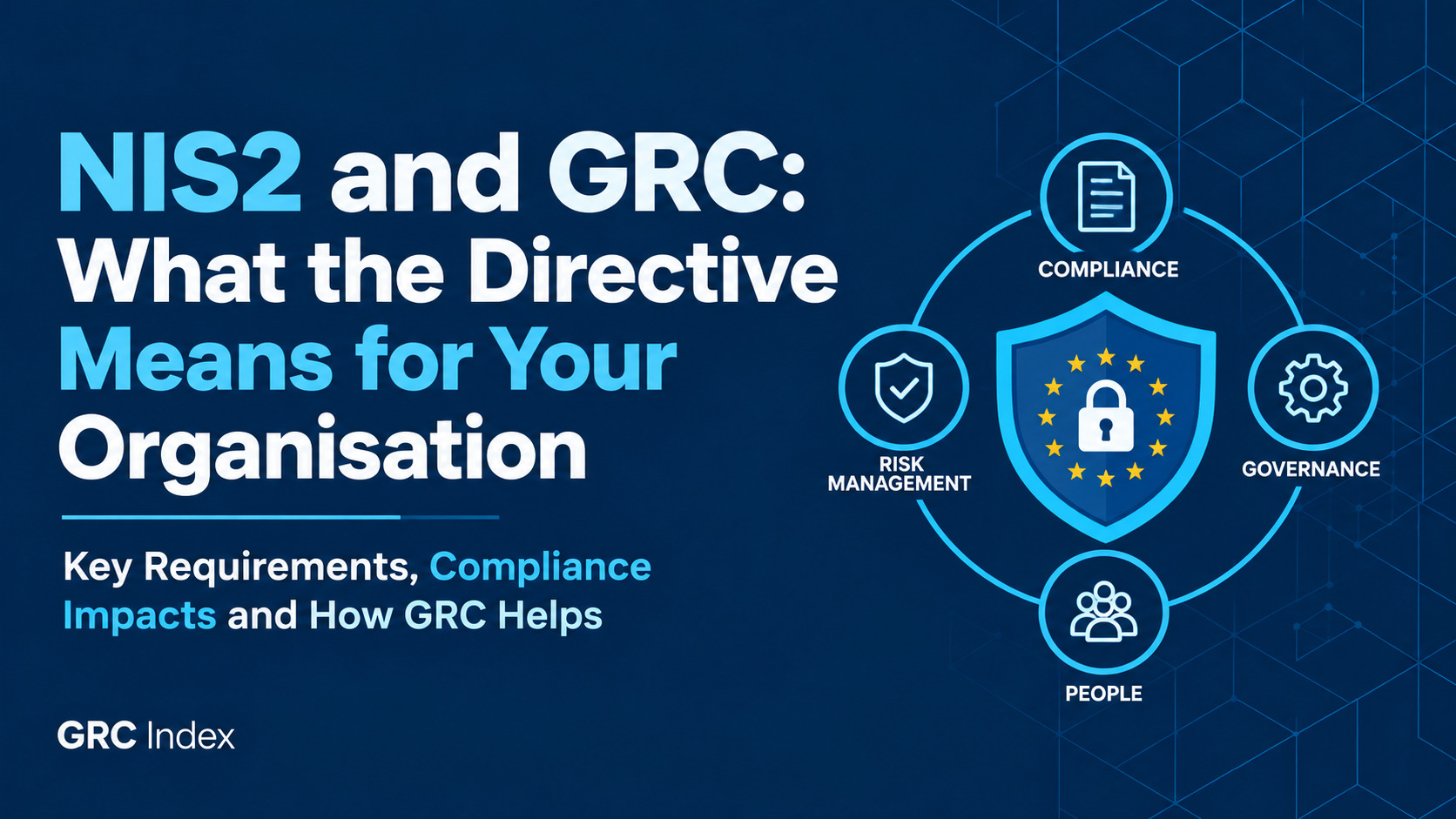
Brussels does not leave GRC certification optional for long. NIS2 forces essential and important entities across all 27 member states to run formal cybersecurity governance programmes. DORA demands operational resilience from every financial firm in the EU. GDPR still drives the bulk of compliance work across German, French, and Irish companies alike.
Germany adds its own layer through BSI IT-Grundschutz and the IT-Sicherheitsgesetz 2.0. France leans on ANSSI guidance and the SecNumCloud scheme for cloud providers. Berlin-based firms face extra scrutiny from BaFin the moment they touch financial services. Fines under NIS2 can reach 10 million euros or 2% of global turnover, whichever number is higher.
A missed deadline costs your company more than a fine. Contracts fall through. Insurers raise premiums. Investors ask harder questions during due diligence.
What GRC Frameworks Do European Companies Use?
For their (GRC) models, European companies use a mix of EU rules that they have to follow and foreign standards that they can choose to follow.
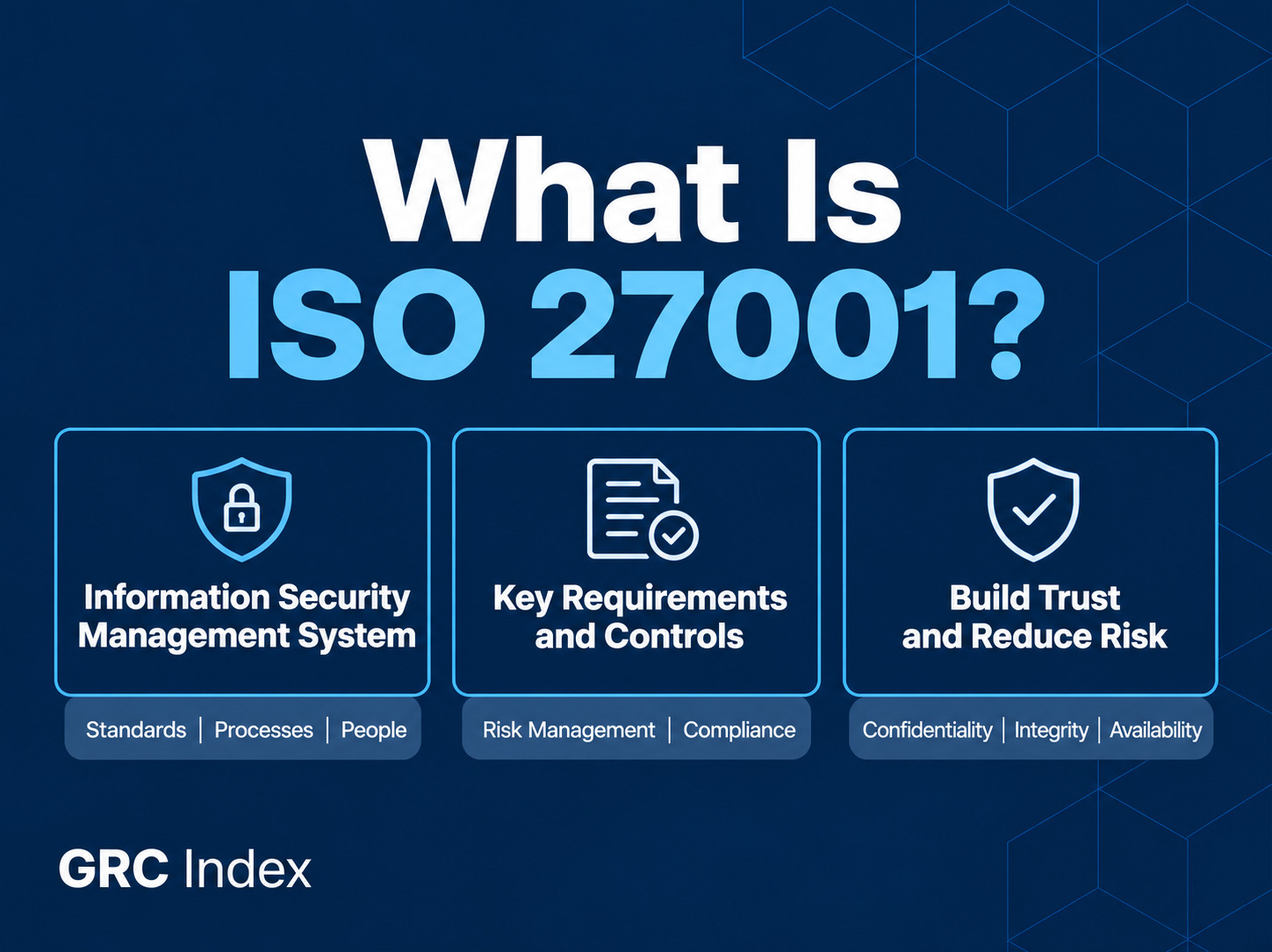
ISO 27001 is one of the most preferable field. ISO 27001 leads the field for information security management across Europe. COSO remains the standard for internal control and enterprise risk management, especially among finance teams. SOC 2 matters most if you sell software like (Point of sales, tools and more) or services to other businesses. ISAE 3402 and ISAE 3000 cover assurance work for service organisations and non-financial reporting.
Most companies rarely need every framework at once. Your sector, your client base, and your regulatory exposure should decide which one you tackle first. A fintech in Frankfurt needs DORA alignment above all else. A SaaS company in Dublin needs SOC 2 to close enterprise deals.
The GRCI Framework maps all five major GRC domains against these standards in one place, so you stop guessing which framework fits your business.
Which Documents Does Your Company Need Before the Audit?
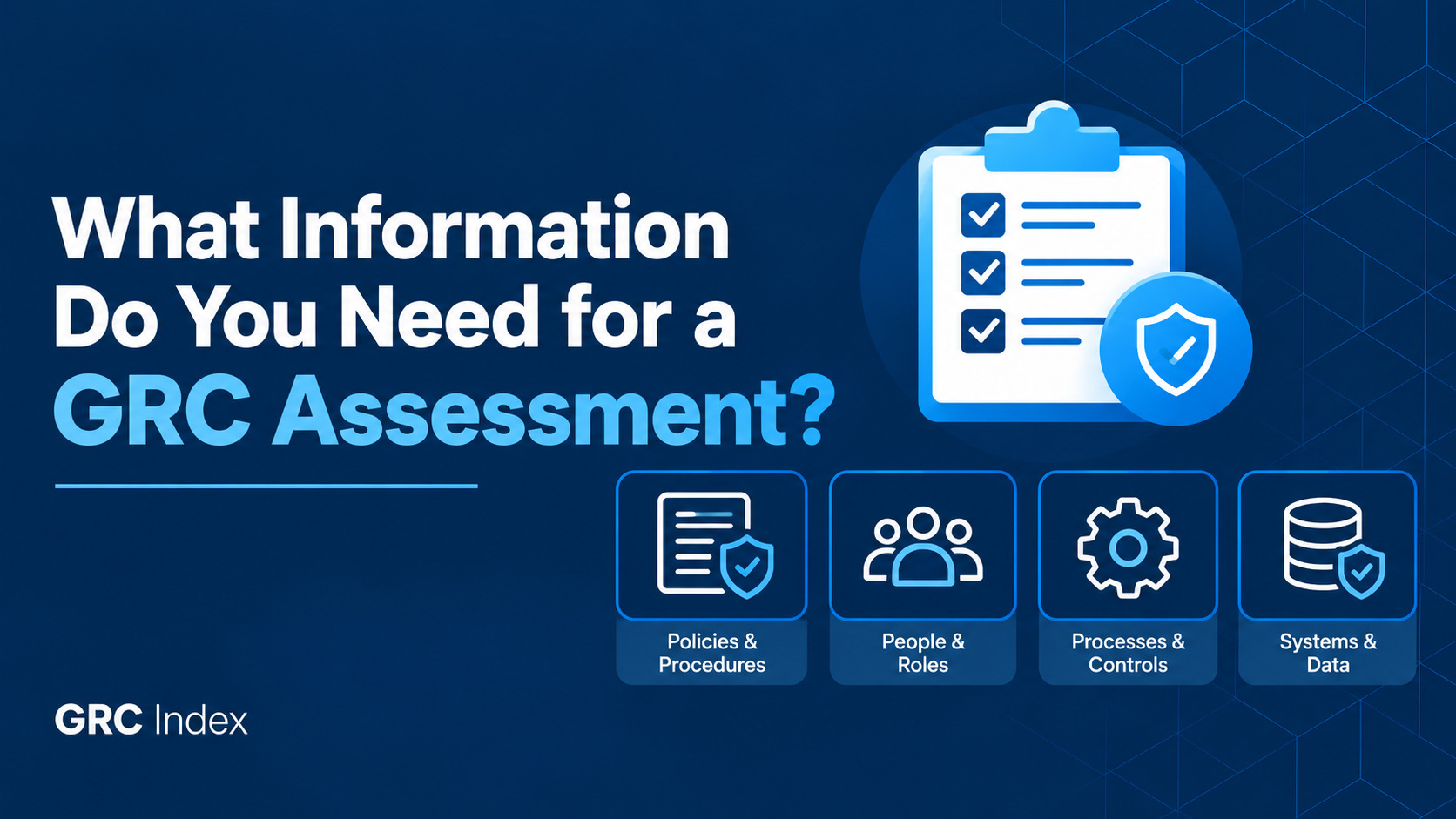
Auditors want evidence, not promises. Before the audit, your company needs some important things like detailed ledgers, financial statements, legal papers, tax documents, and banking records.
Your governance charter, your risk register, and your control matrix need to sit ready before you book any audit date. Your incident response plan, your business continuity plan, and your vendor risk assessments belong on that same list. Training records and policy sign-off logs need current dates too, since auditors check dates closely.
Paperwork gaps cause most delays in European GRC audits. A document gap can push your certification date back by months, not weeks. An early document pull saves your team the scramble later.
How Do You Build a GRC Framework From Scratch?
Your framework needs just structure, not guesswork. These eight steps take you from a blank page to a working system, and each one builds on the last.
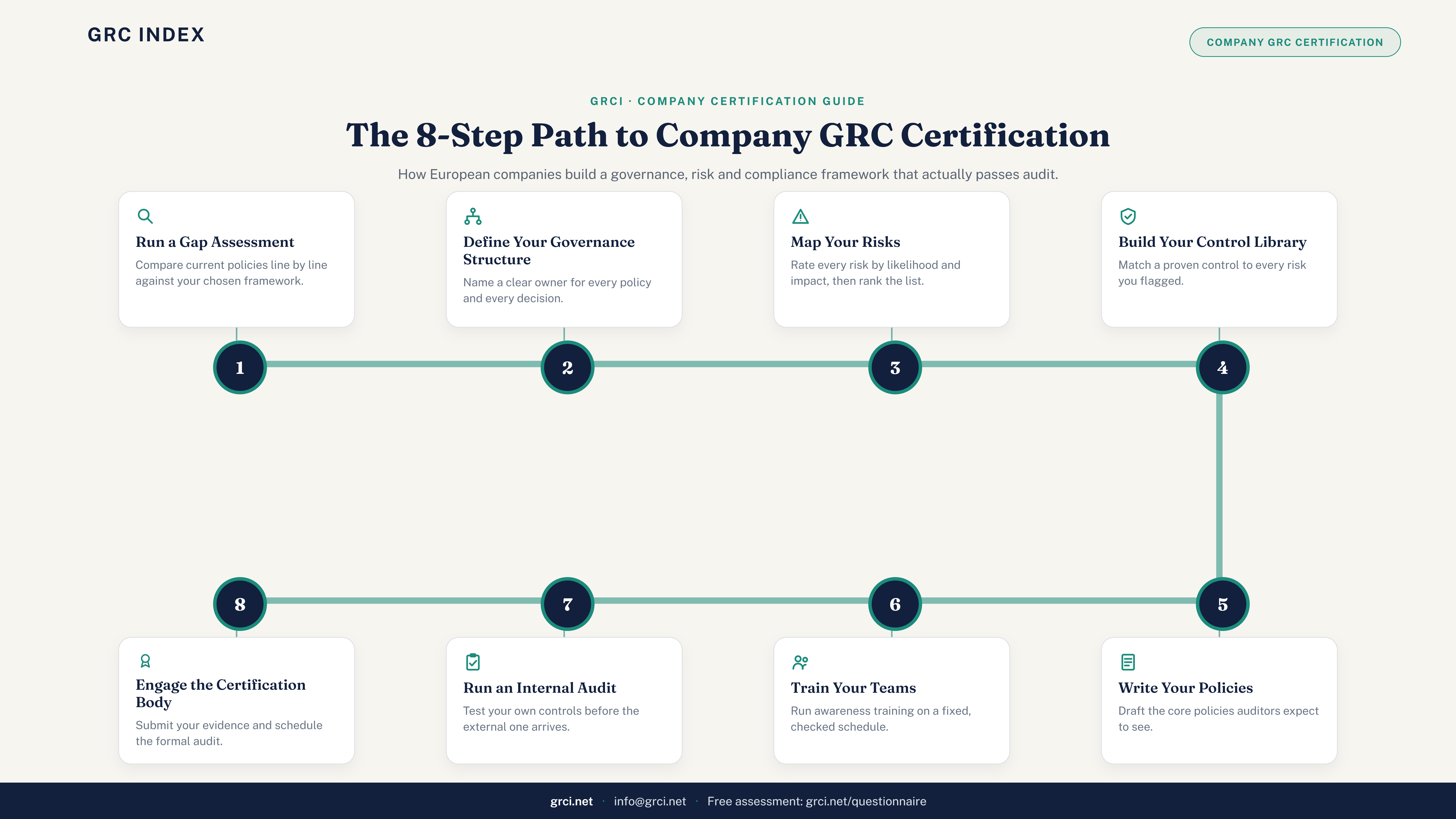
Step 1 - Run a Gap Assessment
The current policies need a line-by-line comparison against your chosen framework. Every policy gap, every control gap, or every weak process deserves a note. A clear list tells you exactly how much work sits ahead.
A free first pass exists for exactly this problem. The GRCI questionnaire benchmarks your current governance, risk, and compliance maturity against 1,100+ organisations in nine minutes, and hands you a starting score before you spend a single euro on consultants.
Step 2 - Define Your Governance Structure
Clear ownership matters rather than a perfect org chart. Every policy needs one named owner, and every decision needs one clear sign-off point. Your reporting lines should run straight from your risk team up to your board. Weak governance structure costs your team time later, at audit stage, when auditors ask who approved what.
Step 3 - Map Your Risks
Every risk across your operations, your data, and your supply chain belongs on one list. Likelihood and impact ratings turn that list into a usable risk register. The highest risks should sit at the top, where your team sees them first.
A recognised method areISO 27005 or FAIR beats a homemade scoring system every time. Auditors trust a proven method far more than an in-house invention.
Step 4 - Build Your Control Library
A control belongs against every risk you flagged in step three. ISO 27001 Annex A and the NIST framework offer a strong starting library, far better than one built from scratch. Reused, proven controls save your team weeks of work.
Step 5 - Write Your Policies
Four policies form the core of most European GRC frameworks. Your list should include an information security policy, an access control policy, an incident response policy, and a data classification policy. Each policy should read clearly enough for a new employee to follow without extra explanation. Every policy should name the specific regulation it satisfies, such as GDPR, NIS2, or DORA.
Step 6 - Train Your Teams
Security awareness training belongs on every employee's calendar, not just your IT staff's. Completion rates need regular checks against a fixed schedule. NIS2 treats staff training as a legal requirement, not a nice extra.
Step 7 - Run an Internal Audit
Your own controls deserve a test before an external auditor arrives. Every gap found needs a fix and every fix needs a record in written. An internal audit catches most problems while they still cost your team nothing but time.
Step 8 - Engage the Certification Body
An accredited certification body earns your call once the internal audit comes back clean. Your evidence pack goes to them, and the formal audit gets scheduled from there. A good certification body walks your team through every step, so nobody guesses alone.
How Long Does It Take a Company to Get GRC Certified in Europe?
Most companies need 6 to 12 months from decision to certificate. A small, well-organised company with clean records can move faster, sometimes in just 4 months. A large, multi-country company with legacy systems and scattered records often needs longer, sometimes eighteen months.
Three factors set the pace above all else. Document readiness sets the pace at the start. Staff availability sets the pace in the middle. Auditor availability sets the pace at the end, since good auditors book out weeks ahead across Germany, France, and the UK.
How Much Does GRC Certification Cost in Europe?
Costs vary widely by company size and framework choice.
What Mistakes Do Companies Make During GRC Certification?
Companies treat certification as a paperwork exercise rather than a living system, and auditors spot the difference fast. Companies pick a framework that matches their ambition rather than their real regulatory exposure, and lose months on the wrong standard. Companies skip the internal audit step, then fail the real one on issues a proper internal check would have caught for free.
Poor evidence trips up nearly every company at least once. Screenshots go missing. Sign-off logs run months out of date. Version control on policies breaks down the moment two departments edit the same document apart.
Your company can avoid most of these mistakes with the right guidance from the start. The GRC Index lists 1,100+ organisations already benchmarked against COSO, ISO 27001, and SOC 2, so you can your team also sees exactly where the bar sits before your own audit begins.